Pillar Guide
Flood Safety & Health Risks: Staying Safe Before, During & After
The hazards a flood leaves behind — electrical, contaminated water, structural damage, carbon monoxide, and unsafe re-entry — and how to stay safe. Synthesized from CDC, FEMA, and Red Cross guidance for homeowners.
Reviewed against current CDC, FEMA and American Red Cross guidance.
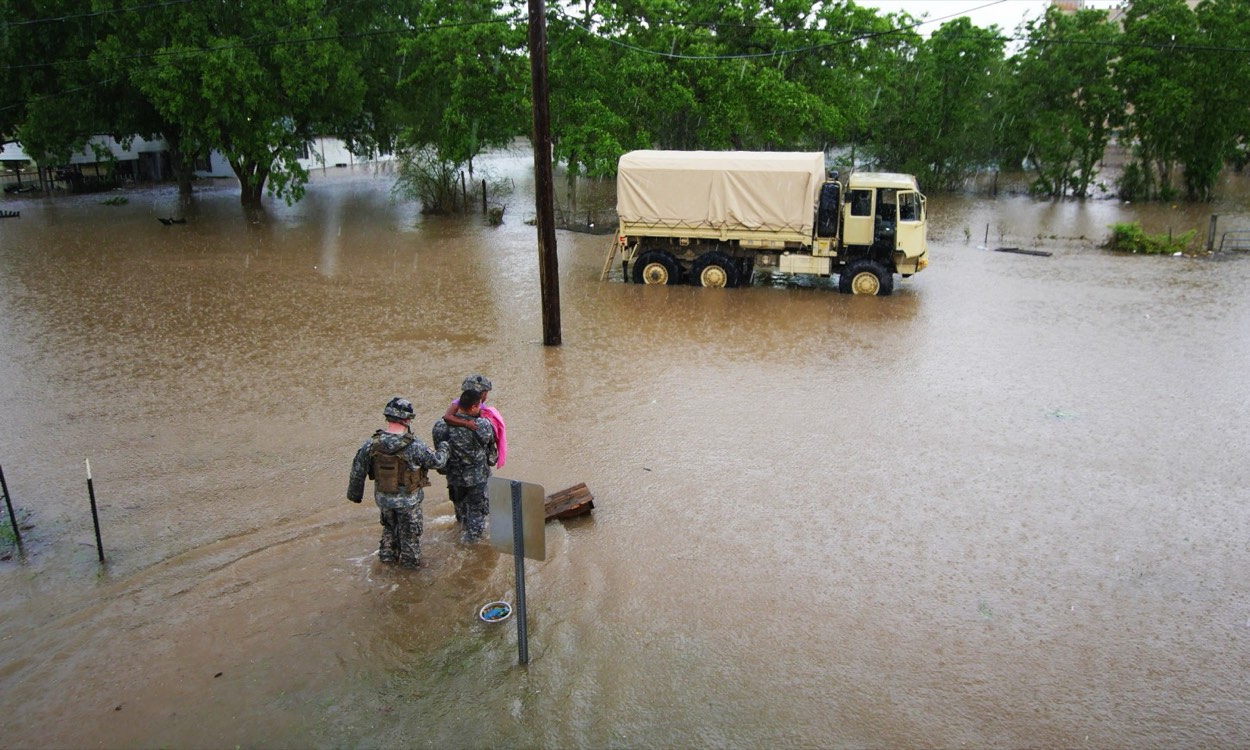
Most flood-related injuries don’t happen during the flood — they happen afterward, during cleanup, when people underestimate the hazards a flood leaves behind. This hub covers the four big ones — electricity, contamination, structure, and carbon monoxide — and links to detailed guides for each. It complements the master guide, what to do when your house floods.
Electrical safety
Water and electricity together are the deadliest post-flood hazard. Submerged outlets, cords, and appliances can energize standing water with no visible warning. If reaching your breaker panel means stepping into water, don’t — leave the power on and call an electrician or your utility. Flooded appliances and electronics need inspection before they’re used again. Full guide: electrical safety after a flood.
Contaminated water and your health
Floodwater frequently carries sewage, agricultural runoff, chemicals, and bacteria. Skin contact, and especially ingestion, can cause illness. Assume tap water is unsafe until authorities confirm otherwise, and watch for boil-water advisories. Learn the risks in is floodwater dangerous? contamination & health risks, and gear up properly with protective gear for flood cleanup.
Source: CDC — FloodsStructural damage
Saturated materials lose strength. A ceiling bulging with trapped water can collapse; soaked subfloors and weakened framing can give way. Watch for sagging, cracks, doors that suddenly stick, and a foundation that’s shifted. When in doubt, stay out and get an inspection. See how to spot structural damage after a flood.
Carbon monoxide and generators
After a flood, power is often out and people turn to generators — a leading cause of carbon monoxide poisoning. Generators and gas pumps must run outdoors only, at least 20 feet from the home, exhaust pointed away from windows and doors. Install battery CO alarms. Full guide: generator safety during power outages and floods.
Source: CDC — Carbon MonoxideDeciding whether to stay
Sometimes a home is safe to occupy after minor, clean-water damage; sometimes it isn’t. Contaminated water, a submerged electrical system, a gas smell, or structural damage all mean leave. Our decision guide is is it safe to stay in your house after a flood.
Guides in this hub
- Is it safe to stay in your house after a flood?
- Electrical safety after a flood
- Is floodwater dangerous? Contamination & health risks
- How to spot structural damage after a flood
- Protective gear for flood cleanup
- Generator safety during power outages and floods